0Hz
The rhythm of deep, restorative sleep. Excess delta while awake is linked to brain fog, fatigue and slowed thinking.



Brain Wellness in Harley Street · 1,000+ patients helped
Your brain holds the answers — we help you see them.
A detailed QEEG analysis of your brain activity, carried out in clinic with a comfortable gel-free sensor cap.
A specialist explains in detail what your analysis has revealed, supported by a detailed 40-page report.
Psychotherapy and lifestyle adjustments, tailored around your results.
Ready to see what your brain's
been trying to tell you?
0Hz
The rhythm of deep, restorative sleep. Excess delta while awake is linked to brain fog, fatigue and slowed thinking.
0Hz
Drift and daydream. Elevated theta at the front of the brain is one of the most studied patterns in ADHD and inattention.

0Hz
Your brain's idling rhythm — calm, present, ready. Alpha imbalances between hemispheres are linked to low mood.

0Hz
The sensorimotor rhythm of quiet focus. Low SMR is associated with restlessness, impulsivity and unrefreshing sleep.

0Hz
Active, engaged thinking — planning, problem-solving, conversation. The question is where, and how much.

0Hz
A nervous system in overdrive. Overactive high-beta can drive racing thoughts, hypervigilance and chronic tension.

0ratio
The balance between drifting and doing — one of the key ratios used when assessing attention regulation.

Your analysis measures all six bands across the cortex. The quiz is the quickest way to find out which of these is worth looking at in yours.
Six brainwave bands. One detailed report. 1,000+ patients helped.
A comfortable sensor cap reads activity from the scalp. The session takes 45–60 minutes.
Your map is compared against normative databases and analysed by a specialist team — not a questionnaire.
A detailed 40-page report reviewed with you one-to-one — what's overactive, what's underperforming, and why it matters.
Re-mapping shows how your brain responds to treatment. You see what's changing — and why it matters.
Optician
Booked without a second thought. Even when nothing feels wrong.
Dentist
Twice a year, every year, since you were a child.
GP
Blood pressure, bloods, weight, heart. All of it measured.
Your brain
The organ running all of it — your focus, your mood, your sleep, your memory, your cognitive function, how you handle stress, how you make decisions, and how you feel from one day to the next. Almost no one has ever analysed your brain activity before.
Your Health and Wellbeing

Nearly 1 in 4 people in the UK live with a brain-health issue. It shouldn't come down to luck, guesswork, or being told it's all in your head. It starts with having your brain activity properly analysed.
Four very different starting points — the same need for an
honest look at what's actually going on.

Focus and resilience aren't what they were — and coffee stopped being the answer a while ago. The map shows what's actually driving the drop.
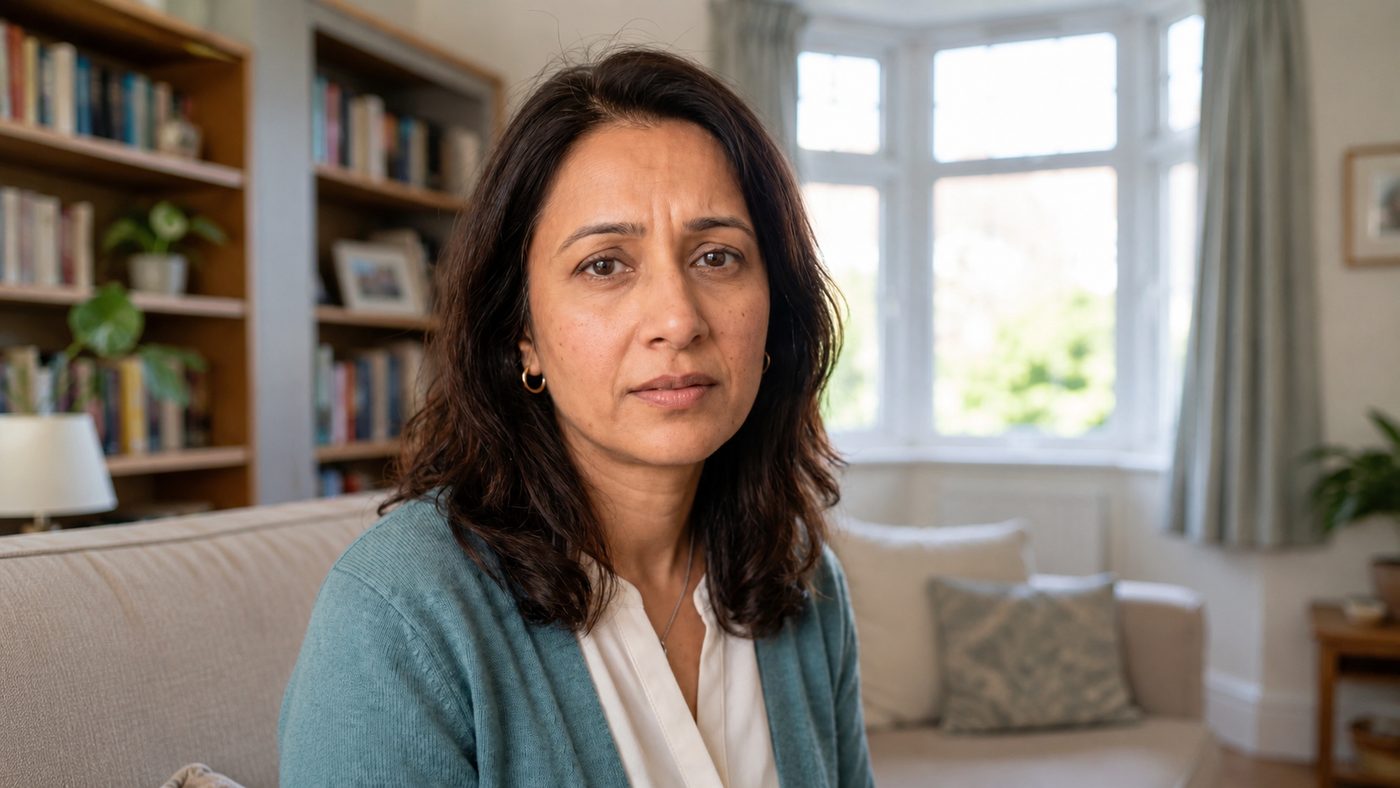
When a child or teenager's struggles are hard to explain, objective data cuts through years of guesswork — gently, and without discomfort.

Dementia or cognitive decline in the family changes how you think about your own brain. A baseline map is the proactive first step.
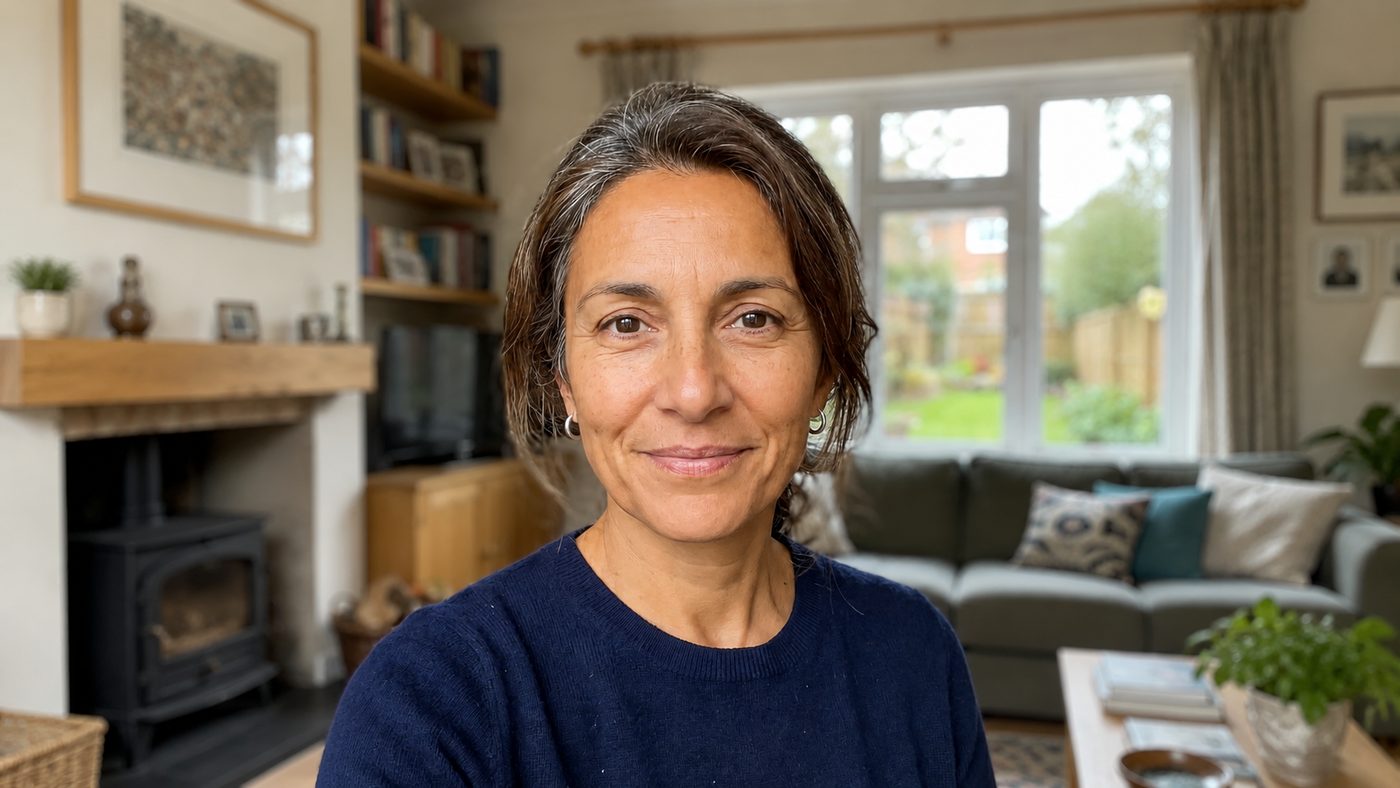
When stress, anxiety or low mood has become the everyday, an analysis shows what is happening underneath it — and what to target.
Everything your QEEG reveals comes together in one clear report — where your brain is overactive, where it's underperforming, and how that connects to the way you feel. Reviewed with a specialist in detail, with next steps you can actually act on.
 OverviewBandsConnectivityPlan
A. Client · 14 Aug 2026
OverviewBandsConnectivityPlan
A. Client · 14 Aug 2026
QEEG analysis · eyes open
Typical Mild Elevated High
Band activity vs. normative range
Priorities
Your brain, your pace — one team, in one place.
Finally, care that fits how life actually works.
"Nothing wrong" isn't the same as "working well". We look at how your brain is actually performing — and what would help it perform better.
No months of waiting rooms. A free consultation this week, a scan within days, and results reviewed with you soon after.
Six brainwave bands, connectivity and symmetry across the cortex — a complete picture of how you process, focus, rest and recover.
Patterns show up in the data before they take over your life. Catch them early — and act before they become the story.
Brain mapping, psychotherapy, transcranial photobiomodulation (tPBM) and nutrition under one roof — so nothing gets lost between specialists.
Your brain isn't static — neither is your plan. Re-mapping shows change on screen, not just in how you feel.

No matter what brought you here — you're in the right place.
Transcranial photobiomodulation · tPBM
Transcranial photobiomodulation delivers near-infrared light to the brain through a helmet worn at home. It is non-invasive and silent, and a session takes around twenty minutes.
Light at specific near-infrared wavelengths passes through the scalp and is absorbed by cells, where it is understood to support the mitochondria — the structures that produce cellular energy. It is an area of active research, and the one that shaped this clinic: it is Raymond Francis’s particular interest, and the reason tPBM sits alongside brain mapping here rather than being offered as an add-on.
Watch: which wavelengths actually reach the brain — from Neuronic, who make the helmet.
For individuals seeking clarity and calm
For clinicians, coaches and organisations
Every fee is set out before you commit to anything. Nothing is added later, and nothing is quoted only once you are in the room.
Start here
Free
20 minutes · on Zoom
Stage one
£990
Both appointments, one fee
Stage two
from£195
Per session
Stage two
£1,695
Yours to keep
Ongoing care is only ever what your results actually point to — there is no package to commit to.
See What’s IncludedTrusted by clients of all ages throughout the UK
“After years of stress affecting my sleep and focus, Brain Wellness helped me regain balance. The personalised therapy and red light treatment have completely transformed my mental well-being.”
“I struggled with brain fog and constant mental exhaustion. The Brain Wellness program gave me clarity, energy, and a structured plan to keep my cognitive health on track. Highly recommended!”
“With a family history of dementia, I wanted to take proactive steps. The brain mapping and therapy have reassured me I’m doing everything possible to protect my future brain health.”
Led by over 30 years of clinical mental wellbeing experience —
real specialists, together in one place.

D.Hyp. PDCBH HYP. MBSCH
Clinical Lead & Founder

BSc BCN
Brain Mapping Analyst

MSc
Psychotherapist

MSc
Neuro Consultant

MSc ANutr
Consultant Nutritionist

Book a free 20-minute Zoom consultation with a member of our clinical team. We'll listen to what's going on, tell you honestly whether brain mapping is a good fit, and explain exactly what happens next. No obligation, no pressure.
Yes — completely. It exists so that both of us can find out whether we can genuinely help before you commit to anything. If we don't think brain mapping is right for you, we'll say so and point you somewhere better suited.
Quantitative EEG measures the electrical activity across your brain using a comfortable gel-free sensor cap, then compares those readings against normative databases. The result is a visual map of your brain's patterns — frequency, amplitude, symmetry and connectivity — your brain's unique fingerprint, analysed by a specialist team.
Completely. The sensors only read activity — nothing is sent into the body, nothing is invasive, and there are no side effects. The session simply involves wearing a comfortable sensor cap while you sit and relax.
No — and you should never change medication without speaking to your prescriber. Some medications can influence brainwave readings, so we ask about them beforehand and account for them in the analysis.
Your assessment call and results review can happen by phone or Zoom. The brain mapping session itself takes place in person at our clinic at 10 Harley Street, London — it requires our equipment and a trained technician.
Plan for 45–60 minutes. You'll be seated comfortably throughout, and most people find it surprisingly relaxing.
Patterns linked to focus and attention, anxiety and stress response, low mood, sleep disruption, brain fog and cognitive fatigue, and neurological or age-related change. It shows where your brain is overactive, where it's underperforming, and how that maps onto the way you feel day to day.
You'll have a 45–60 minute review where a specialist explains your analysis in detail. Then we build your personalised plan, which may include targeted psychotherapy, photobiomodulation (light) therapy, nutritional and lifestyle guidance, or a specialist referral. What you pursue — and at what pace — is entirely your decision.
Yes. Brain mapping is non-invasive and well tolerated by younger clients, and it can be particularly helpful when a child's struggles are hard to explain. We adapt the whole process — pace, language, session length — to the person in the chair.
No. A QEEG map identifies patterns and supports clinical decision-making, but it is not a standalone diagnosis. Where a formal diagnosis is needed, we'll tell you clearly and refer you to the right specialist.
No — it complements them. Many clients come to us alongside existing care, and many are referred by clinicians who want objective data. With your consent, we're happy to share findings with your GP or therapist.
A senior clinical team led by our founder, with over 30 years of experience in psychotherapy and cognitive health — including a dedicated brain mapping analyst, psychotherapist, neuro consultant and consultant nutritionist. Real specialists, in one place.
We work with WPA, and we can provide documentation for other insurers on request. Cover varies by policy, so it's worth checking with your provider — we're happy to help with the paperwork.
Your results and personal information are held confidentially by the clinic, shared only with your consent, and never sold. You can request a copy of everything we hold about you at any time.
Then we'll tell you — on the free consultation, before you've spent anything. Where symptoms suggest an urgent or acute medical issue, the right first step is your GP or emergency services, and we'll always be straight with you about that.
Accredited & Recognised By





Book your free 20-minute Zoom consultation — and find out what
your brain's been trying to tell you.